

2026 Nissan Rogue vs. Competitors
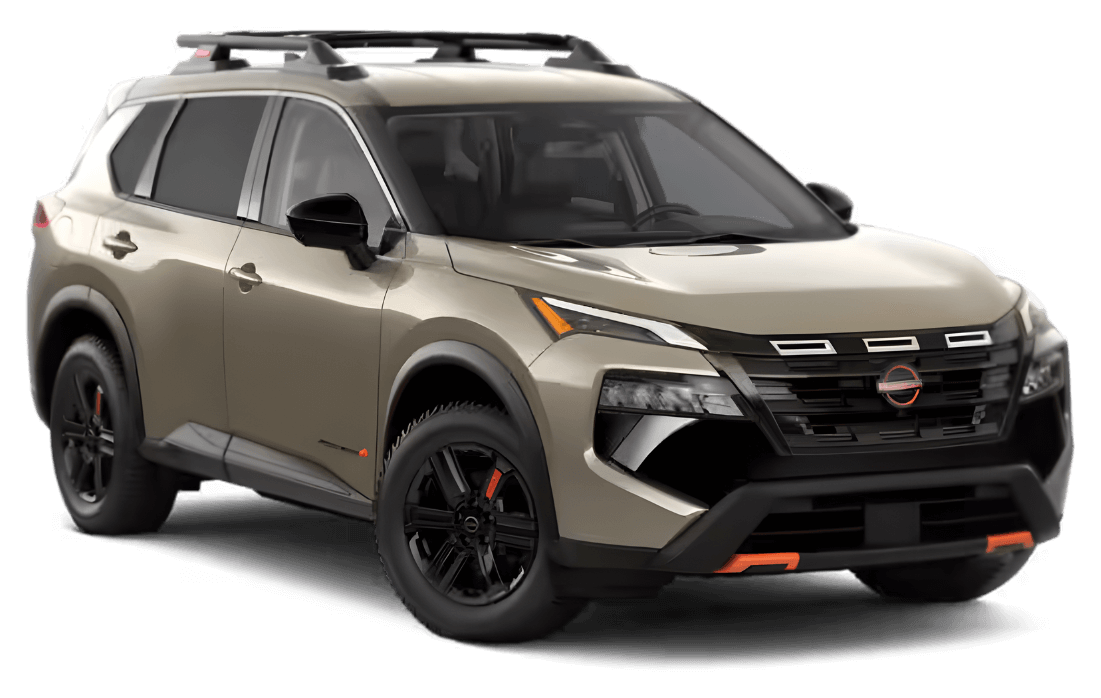
2026 Nissan
Rogue vs. Competitors
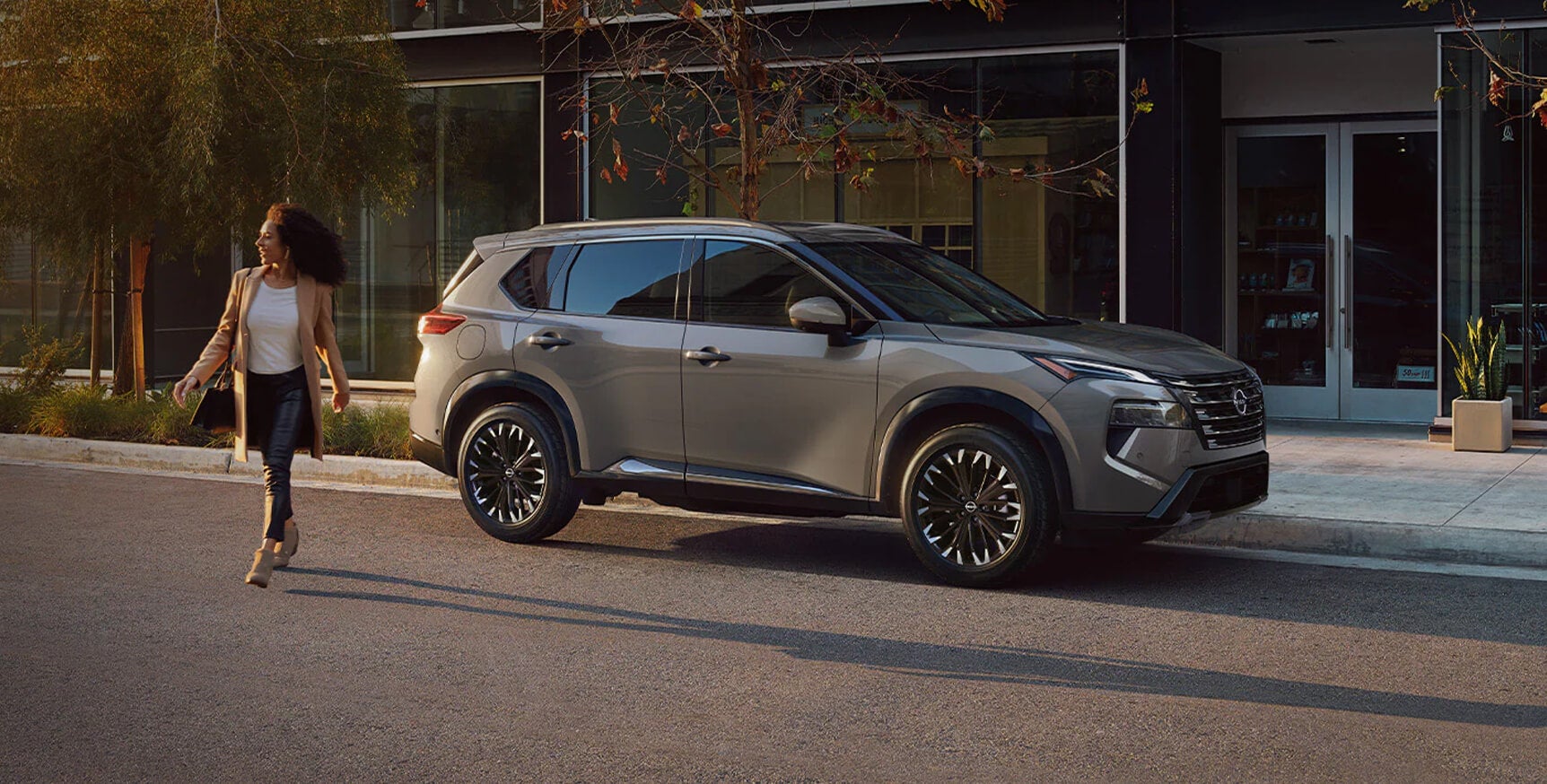
Take pickup trucks out of the equation, and crossovers account for seven of the ten most popular cars sold in the U.S. – most of these are in the compact category. Nissan’s entry in this highly competitive segment is the Rogue, a mainstay in its lineup since 2008. Let’s compare this best-seller against some of its strongest rivals: the Honda CR-V, Ford Escape, and Chevrolet Equinox. Unless we state otherwise, this matchup looks at the least expensive trims with all-wheel drive from the 2026 model year.
Shop Nissan RoguePricing
With a starting price of $31,490, the Nissan Rogue is the second-least expensive option in the group. The Equinox has an MSRP of $30,700. The Escape ($31,750) and CR-V ($32,420) have higher price tags.
Powerplant
The powerplants in this group are divided into two camps: three-cylinder and four-cylinder engines, all with turbochargers. While the Rogue and Escape use three-cylinder units, the Nissan uses a very different setup: variable-compression technology. The Rogue’s VC-Turbo powerplant can prioritize efficiency or performance as driving conditions require. As a result, it makes 201 horsepower to top the CR-V’s 190 hp, the Escape’s 180 hp, and the Equinox’s 175 hp. Regardless of their cylinder count, all four engines have the same displacement: 1.5 liters.
Fuel Economy and Range
Although the Rogue delivers the most horsepower in this comparison, it still leads the pack in fuel efficiency. Rogue drivers will achieve an EPA-estimated 28 mpg in around-town driving and 35 mpg on the open road, leading to a clear advantage over its closest competitors. The Honda CR-V follows with 27 mpg city/31 mpg highway, while the Ford Escape posts 26 mpg in everyday driving and 32 mpg at steady cruising speeds. The Chevrolet Equinox trails the group with 24 city/29 highway.
That efficiency carries over to driving range. The Rogue can travel an estimated 508 miles before needing a refill, edging past the Escape at 502 miles. The Equinox lands in the middle of the pack at 452 miles, and the CR-V offers the shortest distance between fill-ups at 434 miles, giving Rogue owners the longest window between gas station stops.
Interior Space and Comfort
Driving a compact crossover means maximizing every inch of cabin space, and the Rogue accomplishes this over its rivals in several areas. It provides 105.4 cubic feet of passenger volume, giving occupants slightly more room to stretch out than both the Ford Escape (104 cubic feet) and the Chevrolet Equinox (104.3 cubic feet). The Honda CR-V’s interior space varies by trim, with the base LX offering 106 cubic feet of volume and the upper trims dipping to 103.5 cubic feet.
Cargo room shows an even clearer separation. The Rogue supplies up to 74.1 cubic feet of storage when the rear seats are folded, outpacing the Equinox at 63.5 cubic feet and the Escape at 65.5 cubic feet. Even behind the second row, the Rogue’s 31.6 cubic feet has more usable space than the Equinox’s 29.8 cubic feet. Front-seat space is another area where the Rogue pulls ahead, with 41.1 inches of headroom versus the 40.0 inches in the three competitors.

MSRP is the Manufacturer's Suggested Retail Price of the vehicle. Dealer sets final price. Sales tax, title, and registration fees are not included in vehicle prices or manufacturer offers that appear on this site and must be paid by the purchaser. $784 doc & title prep fees apply to all vehicle sales, including manufacturer offers that may appear on this website. Actual odometer reading may vary due to test drives and other miles driven since vehicle was listed. MPG ratings are EPA estimates. Actual results may vary for many reasons, including driving conditions and how you drive and maintain your vehicle. See full site disclosure here.